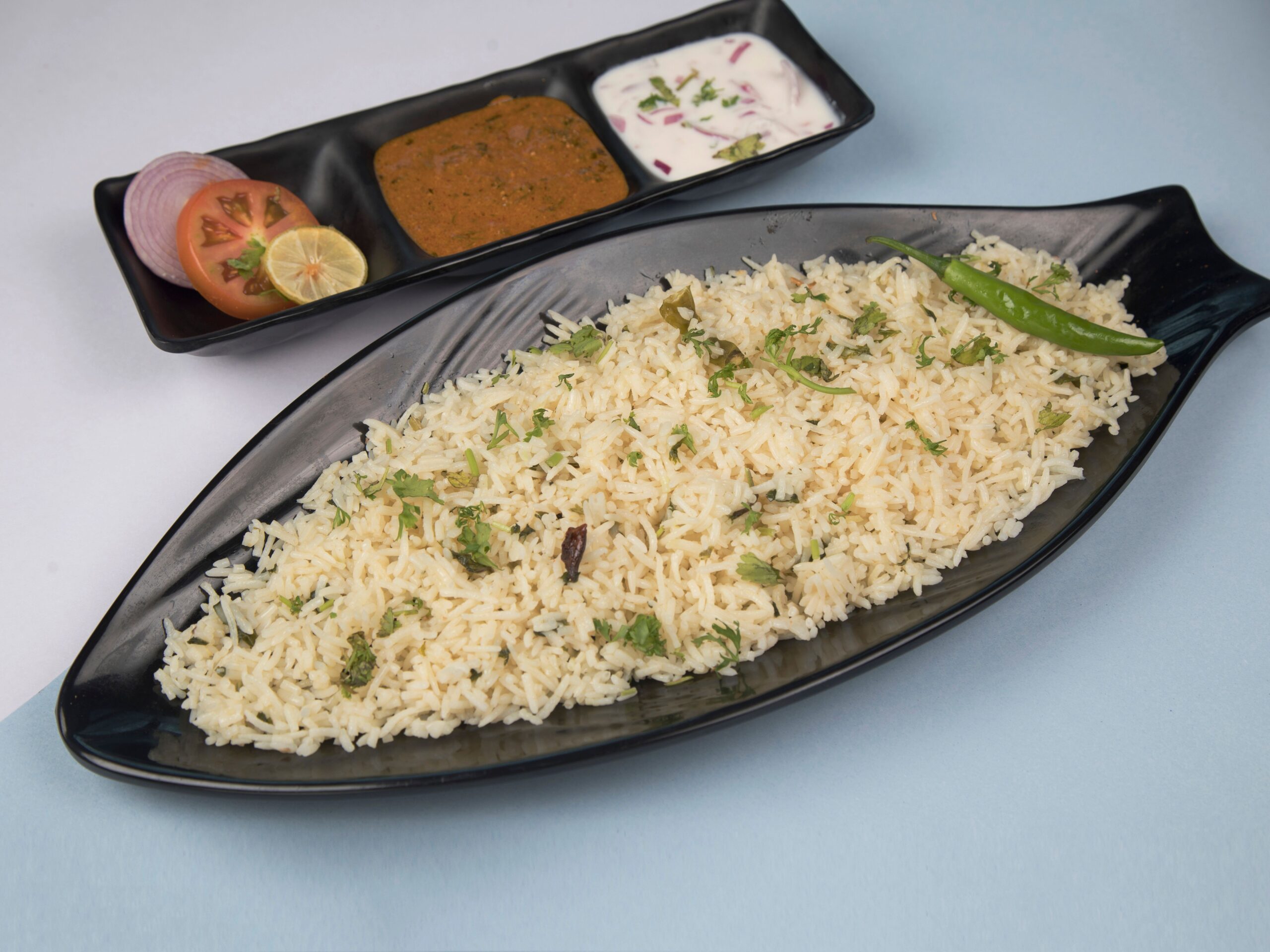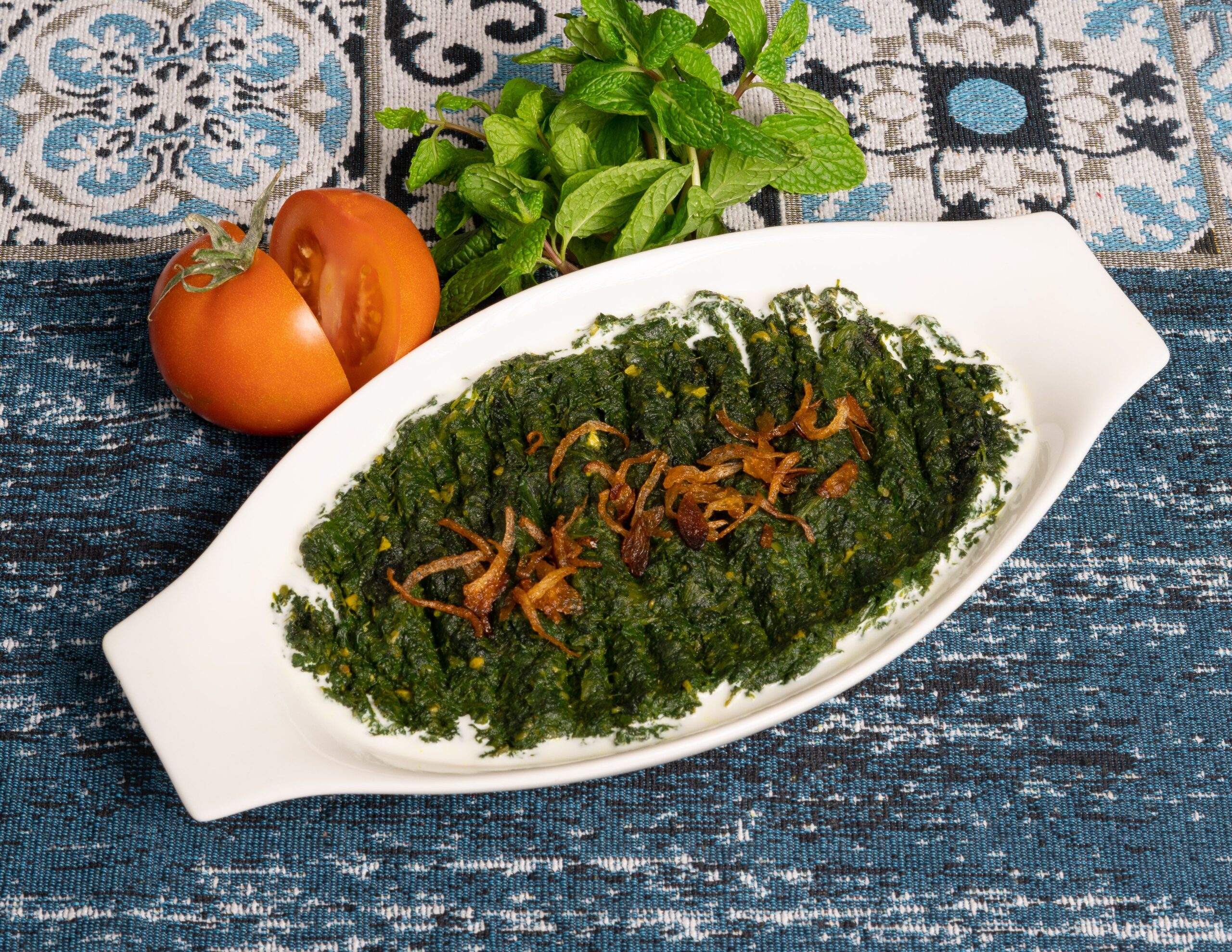
Saag is a traditional South Asian dish made with leafy greens, especially mustard greens (sarson), spinach, and other seasonal vegetables. It is a healthy, flavorful, and comforting dish that is widely enjoyed in Pakistan and India, especially during winter. In this AdSense-friendly article, you will learn how to make saag step by step, along with useful tips and helpful backlinks.
What is Saag?
Saag refers to a variety of dishes made with green leafy vegetables. The most popular version is Sarson Ka Saag, which combines mustard greens with spinach and spices to create a rich and earthy curry.
Learn more about leafy greens and their benefits here:
Health Benefits of Leafy Greens
Ingredients Required
To prepare traditional saag, you will need:
- 2 cups mustard greens (sarson), chopped
- 1 cup spinach (palak)
- 1/2 cup bathua (optional)
- 1 onion (finely chopped)
- 2 tomatoes (chopped)
- 2 tablespoons ghee or oil
- 1 teaspoon ginger-garlic paste
- 2 green chilies
- 1/2 teaspoon turmeric powder
- 1 teaspoon red chili powder
- Salt to taste
- 1 tablespoon cornmeal (makki ka atta)
- 1–2 cups water
Step-by-Step Recipe
Step 1: Clean and Boil Greens
- Wash mustard greens, spinach, and bathua thoroughly.
- Boil them in water until soft (about 20–25 minutes).
Step 2: Blend the Greens
- Once cooked, blend or mash the greens into a thick paste.
- Add a little cornmeal for texture and thickness.
Step 3: Prepare the Masala
- Heat ghee in a pan.
- Add chopped onions and cook until golden brown.
- Add ginger-garlic paste and sauté for 1 minute.
Step 4: Add Tomatoes and Spices
- Add tomatoes and cook until soft.
- Mix in turmeric, chili powder, and salt.
- Cook until oil separates from the masala.
Step 5: Combine and Cook
- Add the blended saag into the masala.
- Mix well and cook on low heat for 15–20 minutes.
Step 6: Final Touch
- Add green chilies and a small amount of butter (optional).
- Cook for a few more minutes and serve hot.
Tips for Perfect Saag
- Cook on low heat for better flavor.
- Use ghee for authentic taste.
- Do not over-blend; keep a slightly coarse texture.
- Add makki ka atta for thickness and traditional flavor.
Improve your cooking skills here:
Basic Cooking Techniques Guide
Serving Suggestions
Saag tastes best with:
- Makki ki roti (corn flatbread)
- Butter or desi ghee
- Lassi or yogurt
This combination creates a traditional and satisfying meal.
Nutritional Benefits of Saag
Saag is packed with nutrients:
- Rich in iron and calcium
- High in fiber
- Supports immunity
- Low in calories
Read more about spinach nutrition here:
Spinach Nutrition Benefits
Why Make Saag at Home?
- Fresh and hygienic
- Rich in natural nutrients
- Customizable spice levels
- Cost-effective and healthy
Conclusion
Saag is a traditional, nutritious, and delicious dish that brings warmth and comfort to any meal. With simple ingredients and easy steps, you can prepare authentic saag at home. Whether served with makki ki roti or regular chapati, it remains a timeless favorite.
Try this recipe today and enjoy the rich taste of homemade saag with your family.