Introduction to Dahi Bhalle
What are Dahi Bhalle?
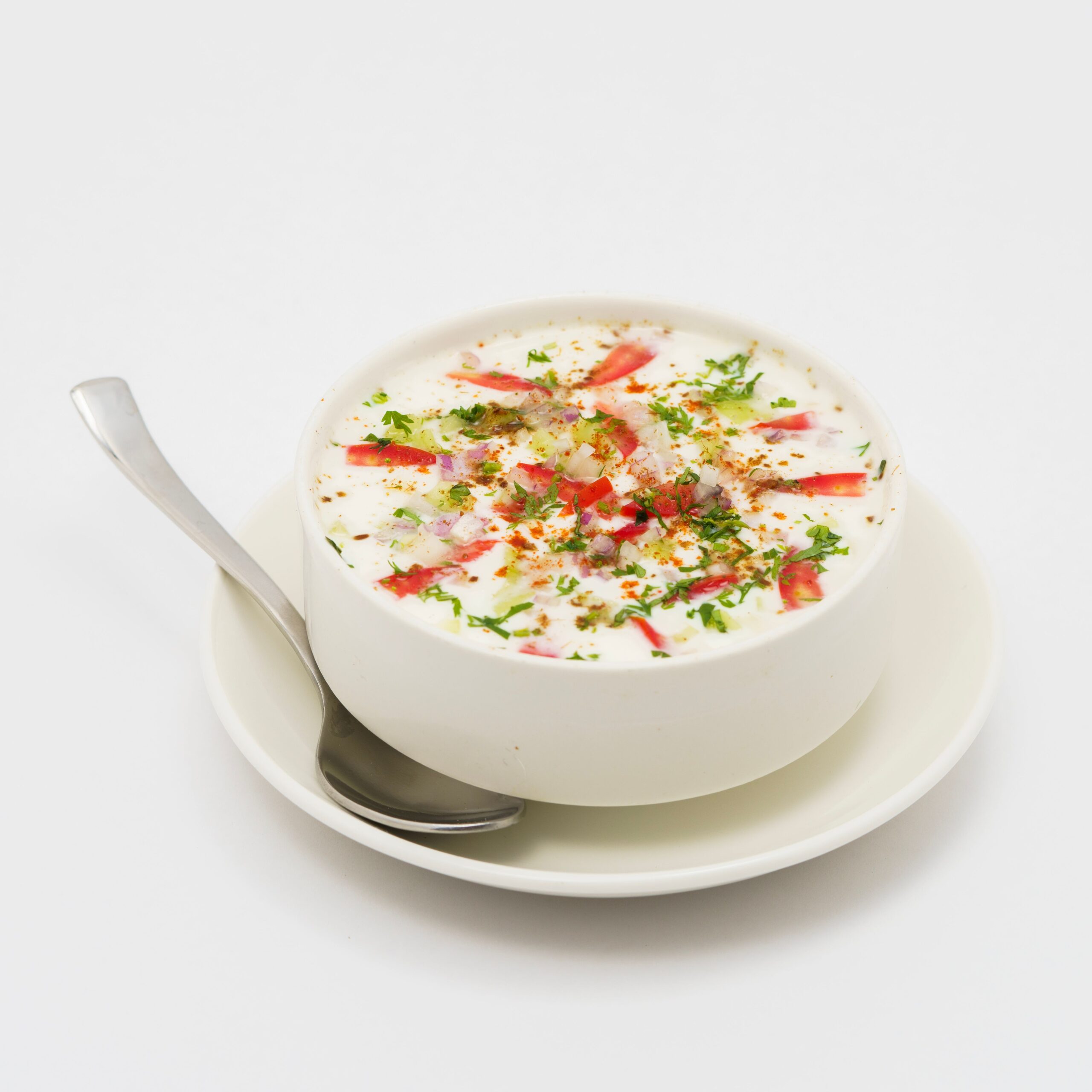
Dahi Bhalle, also known as Dahi Bhalla, is a classic South Asian dish made from soft lentil dumplings soaked in water and served with chilled yogurt, chutneys, and spices. The texture is soft and airy, while the flavor is a balance of sweet, tangy, and mildly spicy elements. This dish is often associated with festive occasions, Ramadan, and family gatherings, but it is simple enough to prepare at home for regular meals.
The beauty of dahi bhalle lies in its contrast of textures and temperatures. The softness of the dumplings combined with cool yogurt and flavorful toppings creates a satisfying experience that appeals to all age groups.
Why This Dish is So Popular
Dahi bhalle is widely loved because it offers a complete flavor profile in a single serving. It combines creaminess from yogurt, tanginess from chutneys, and warmth from spices. It is also refreshing, especially during hot weather, and can be served as a snack, appetizer, or side dish. Its presentation is appealing, making it a popular choice for entertaining guests.
Nutritional Value of Dahi Bhalle
Health Benefits
Dahi bhalle provides a combination of nutrients from lentils and yogurt. Lentils are rich in plant-based protein and fiber, while yogurt contributes calcium and beneficial probiotics. Together, they support digestion, bone health, and overall well-being. When consumed in moderation, this dish can be part of a balanced diet.
The probiotics in yogurt help maintain gut health, while the fiber in lentils supports digestion and keeps you feeling full for longer periods.
Protein and Probiotic Advantage
The pairing of lentils and yogurt creates a balanced nutritional profile. Lentils provide energy and protein, while yogurt offers cooling properties and digestive benefits. This combination makes dahi bhalle both satisfying and nourishing.
Ingredients Required
Ingredients for Bhalle (Vadas)
- 1 cup urad dal (split black gram)
- 1 teaspoon salt
- 1 teaspoon cumin seeds
- 1–2 green chilies (optional)
- Oil for frying
Ingredients for Yogurt and Toppings
- 2 cups yogurt (well beaten)
- 2 tablespoons sugar (optional)
- Tamarind chutney
- Green chutney
- Red chili powder
- Roasted cumin powder
- Chaat masala
- Fresh coriander leaves
Kitchen Tools Needed
Basic kitchen tools are sufficient for this recipe. You will need a blender or grinder for preparing the batter, a mixing bowl, a frying pan, a spoon, and a serving dish. These simple tools make the cooking process efficient and manageable.
Step-by-Step Recipe
Preparing the Lentil Batter
Begin by soaking the urad dal in water for 6 to 8 hours or overnight. Once softened, drain the water and grind the dal into a smooth, thick paste using minimal water. The batter should be light and fluffy, not watery.
Add salt, cumin seeds, and chopped green chilies to the batter. Mix thoroughly. To achieve soft bhalle, whisk the batter for a few minutes to incorporate air. This step is essential for creating a light texture.
Frying the Bhalle
Heat oil in a pan over medium heat. Drop small portions of batter into the oil and fry until they turn golden brown. Remove the fried bhalle and place them in warm water for 10 to 15 minutes. This softens them and removes excess oil.
After soaking, gently press each bhalle to remove excess water without breaking them.
Assembling Dahi Bhalle
Arrange the soaked bhalle in a serving dish. Pour chilled yogurt over them until fully covered. Add tamarind chutney and green chutney for flavor. Sprinkle red chili powder, roasted cumin powder, and chaat masala. Garnish with fresh coriander leaves.
The final dish should have a smooth, creamy appearance with visible layers of toppings.
Variations of Dahi Bhalle
Sweet Dahi Bhalle
Increase the sugar in the yogurt and add extra tamarind chutney for a sweeter taste. This version is ideal for those who prefer mild flavors.
Spicy Street-Style Version
Add more green chilies and spices to create a bold and spicy version. This variation is inspired by street food and offers a stronger flavor profile.
Common Mistakes to Avoid
Avoid making the batter too thin, as it can result in flat and dense bhalle. Ensure proper soaking to achieve softness. Over-frying can make the bhalle too hard, so monitor the cooking time carefully.
Maintaining the right consistency and cooking time is key to achieving perfect results.
Serving Suggestions
Dahi bhalle is best served chilled. It can be enjoyed as a snack, appetizer, or side dish. It pairs well with rice dishes such as biryani or pulao and is especially refreshing during warm weather.
Storage Tips
You can store the prepared bhalle separately in the refrigerator for up to two days. Assemble with yogurt and toppings just before serving to maintain freshness and texture.
SEO Tips with Backlinks
To improve search engine rankings, use keywords such as “how to make dahi bhalle,” “soft dahi bhalla recipe,” and “easy yogurt vada recipe.” Include internal links to related recipes on your website.
Add external backlinks to trusted sources for better credibility:
Backlinks help increase authority and improve visibility in search results.
Conclusion
Dahi bhalle is a flavorful and versatile dish that combines soft lentil dumplings with creamy yogurt and tangy chutneys. It is easy to prepare, adaptable to different taste preferences, and suitable for various occasions. With the right technique, you can achieve a perfect balance of texture and flavor that makes this dish a favorite among many.
FAQs
1. Why are my bhalle hard?
The batter may not have been whisked properly, or the bhalle were not soaked long enough.
2. Can I bake instead of fry?
Yes, but frying gives a better texture and traditional taste.
3. How long should I soak the lentils?
At least 6 to 8 hours or overnight.
4. Can I prepare dahi bhalle in advance?
Yes, prepare the bhalle earlier and assemble just before serving.
5. Is dahi bhalle healthy?
Yes, when eaten in moderation, it provides protein and probiotics.
.