Introduction to Pasta
Why Pasta is Popular Worldwide
Pasta is one of the most loved foods across the globe, and honestly, it’s easy to see why. It’s simple, affordable, and incredibly versatile. Whether you’re in Italy, Pakistan, or anywhere else, pasta adapts to local flavors like a sponge soaking up deliciousness. You can make it spicy, creamy, tangy, or even healthy depending on your mood. It’s like that one friend who fits in everywhere—reliable and always welcome at the table.
Another reason pasta is so popular is how quick it is to prepare. In today’s fast-paced world, people don’t always have hours to spend in the kitchen. Pasta can be cooked in under 30 minutes, yet still feel like a complete, satisfying meal. Add some vegetables, chicken, or cheese, and you’ve got a dish that feels both comforting and gourmet at the same time.
If you want to explore more pasta recipes and ideas, you can check out this helpful guide:
AllRecipes Pasta Collection
Why Homemade Pasta is Better
Making pasta at home might seem like a challenge, but once you try it, you’ll wonder why you didn’t start sooner. Homemade pasta is fresher, softer, and absorbs sauces much better than store-bought versions. It’s like comparing fresh bread to packaged bread—the difference is noticeable from the very first bite.
Another huge advantage is control. When you make pasta at home, you decide what goes into it. No preservatives, no unnecessary additives—just simple, clean ingredients. This makes it a healthier option, especially for families who want to eat better without sacrificing taste.
Understanding Pasta Basics
Fresh Pasta vs Dry Pasta
Fresh pasta is made using flour and eggs, giving it a soft and delicate texture. It cooks quickly, usually within a few minutes, and pairs beautifully with creamy or rich sauces. Dry pasta, on the other hand, is made without eggs and is designed for longer storage. It has a firmer texture and works well with heavier sauces.
Think of fresh pasta as a luxury experience—soft, rich, and indulgent—while dry pasta is your everyday go-to option. Both are great, but fresh pasta definitely wins when it comes to flavor and texture.
Common Pasta Shapes Explained
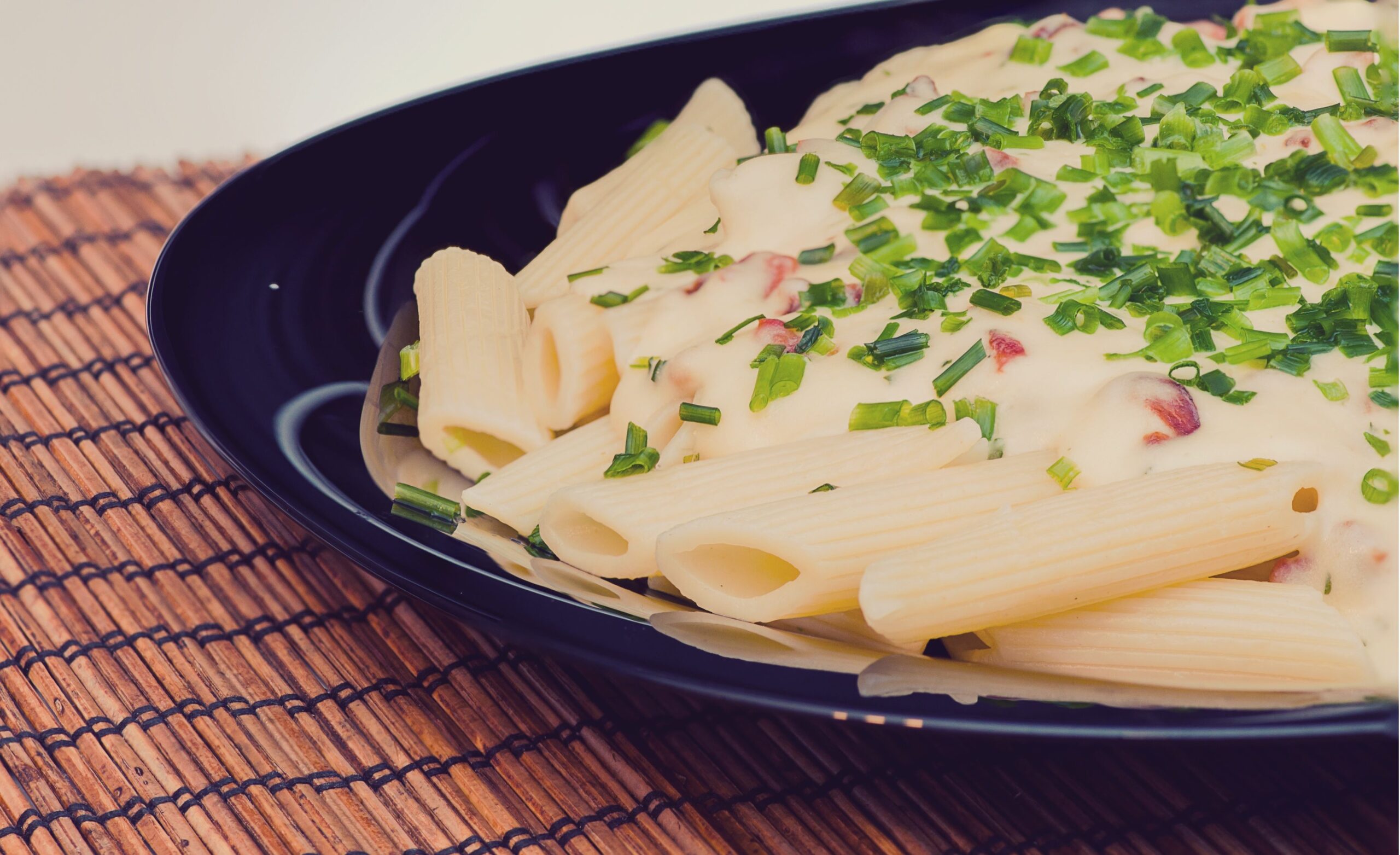
Pasta shapes are not just for looks—they actually affect how the sauce sticks to the pasta. Long shapes like spaghetti are perfect for light sauces, while short shapes like penne hold thicker sauces better. Then you have special types like ravioli, which are filled with delicious ingredients.
Understanding these shapes is like learning how to pair shoes with outfits—it completes the experience.
Ingredients Needed for Pasta
Essential Ingredients
To make pasta at home, you only need a few simple ingredients:
- Flour (all-purpose or semolina)
- Eggs
- Salt
- Water (if needed)
These ingredients may seem basic, but together they create something magical. The quality of your flour and eggs will directly affect the taste, so always choose fresh and high-quality options.
Optional Add-ins for Flavor
Want to make your pasta unique? Try adding spinach puree for a green color or beetroot for a vibrant red. Herbs like oregano and basil can also enhance flavor naturally.
For creative variations, check out:
BBC Good Food Pasta Recipes
Step-by-Step Pasta Dough Preparation
Mixing the Dough
Start by placing flour on a clean surface and making a well in the center. Crack eggs into the well and add a pinch of salt. Slowly mix everything together until it forms a dough. This step can get messy, but that’s part of the fun—it’s hands-on cooking at its best.
Kneading the Dough
Kneading is where your dough transforms. Push, fold, and stretch it repeatedly for about 10 minutes. The dough should become smooth and elastic. If it’s too sticky, add a little flour. If it’s too dry, add a few drops of water.
Resting the Dough
Let the dough rest for at least 30 minutes. This allows the gluten to relax, making it easier to roll out. Skipping this step is like trying to run a race without warming up—it just doesn’t work well.
Rolling and Shaping Pasta
Manual Rolling Method
Using a rolling pin, flatten the dough until it’s thin. Then cut it into your desired shape. This method takes effort but gives you complete control.
Using a Pasta Machine
A pasta machine makes the process easier and more consistent. It helps you achieve perfectly thin sheets quickly, which is ideal for beginners.
Cooking Pasta Perfectly
Boiling Techniques
Always use a large pot with plenty of salted water. The salt enhances flavor, making a big difference in taste. Cook the pasta until it’s al dente—soft but slightly firm.
Common Mistakes to Avoid
- Adding oil to water (it prevents sauce from sticking)
- Overcooking pasta
- Not using enough salt
Avoiding these mistakes can instantly improve your pasta quality.
Best Pasta Sauces to Try
Tomato-Based Sauces
Tomato sauces are classic and easy to make. Cook tomatoes with garlic, olive oil, and herbs for a rich flavor.
Creamy Sauces
Cream-based sauces like Alfredo are rich and comforting. They pair perfectly with fresh pasta and create a restaurant-style dish at home.
Nutritional Value of Pasta
Pasta is a great source of carbohydrates, which provide energy. Whole wheat pasta adds fiber, helping digestion. When combined with vegetables and protein, pasta becomes a balanced meal.
Expert Tips for Perfect Pasta
Making pasta is like learning an art—you improve with practice. Always measure ingredients carefully, knead properly, and don’t rush the process. Taste your food while cooking and adjust seasoning as needed.
Think of pasta making as storytelling—each step adds depth and flavor to the final dish.
Conclusion
Homemade pasta is more than just food—it’s an experience. It brings creativity, flavor, and satisfaction into your kitchen. Once you master it, you’ll enjoy every step, from kneading the dough to tasting the final dish. And honestly, nothing beats the feeling of serving something you made from scratch.
FAQs
1. Can I make pasta without eggs?
Yes, you can use flour and water instead.
2. How long can I store fresh pasta?
Up to 2 days in the fridge.
3. Can I freeze pasta?
Yes, for up to one month.
4. Why is my pasta dough sticky?
Add more flour and knead again.
5. What flour is best for pasta?
Semolina flour is ideal.