How to Make Pulao – Simple and Delicious Rice Recipe
Introduction to Pulao
What is Pulao?
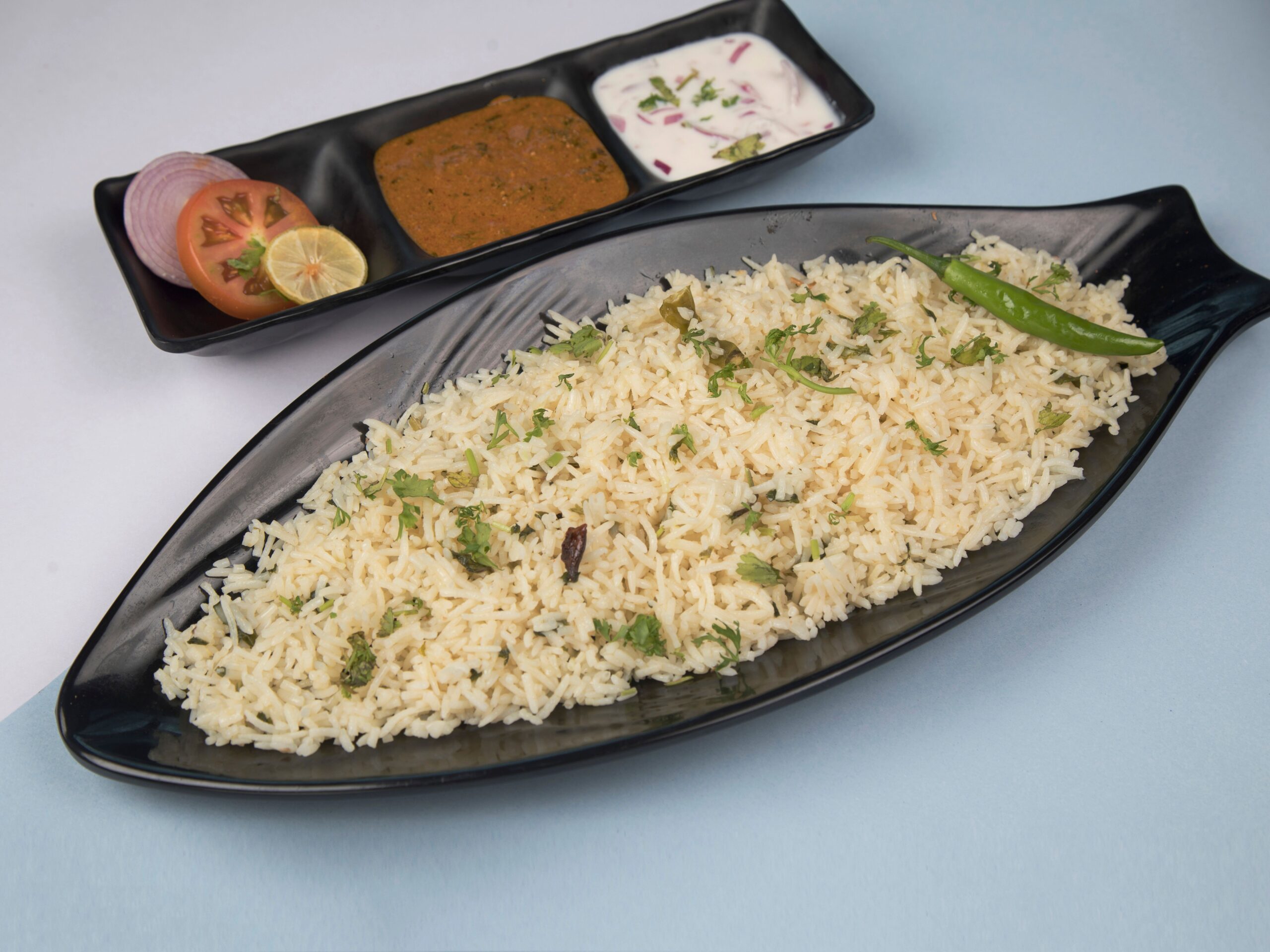
Pulao, also known as rice pilaf, is a fragrant rice dish cooked with spices, vegetables, or meat. It is a staple in many South Asian, Middle Eastern, and Central Asian cuisines. Unlike biryani, which involves layering and more complex techniques, pulao is cooked in a simpler, one-pot method where rice absorbs the flavors of spices and broth.
The beauty of pulao lies in its balance. Each grain of rice remains separate while carrying the aroma of spices. It is a dish that is both comforting and elegant, making it suitable for everyday meals as well as special occasions.
Why Pulao is Popular Worldwide
Pulao is loved because it is easy to prepare and highly versatile. You can make it with vegetables, chicken, beef, or even keep it plain. It requires fewer ingredients compared to more complex rice dishes, yet it delivers rich flavor.
It is also a practical meal option. With just one pot, you can create a complete dish that includes carbohydrates, protein, and spices. This convenience makes pulao a favorite for busy households.
Nutritional Value of Pulao
Health Benefits
Pulao provides a good source of energy due to its rice content. When combined with vegetables or meat, it also offers essential nutrients such as protein, vitamins, and minerals. The spices used in pulao, such as cumin and cloves, can aid digestion and enhance metabolism.
The dish can be customized to suit different dietary needs. Adding vegetables increases fiber content, while using lean meat provides healthy protein.
Balanced Meal Option
Pulao can serve as a complete meal when prepared with the right ingredients. It combines carbohydrates, protein, and healthy fats in one dish. This balance makes it suitable for lunch or dinner without needing many side dishes.
Ingredients for Pulao
Essential Ingredients
- 2 cups basmati rice
- 500 grams chicken or mixed vegetables
- 1 large onion (sliced)
- 2 tomatoes (chopped)
- 2 to 3 green chilies
- 1 tablespoon ginger-garlic paste
- Whole spices (bay leaf, cloves, cinnamon stick, cumin seeds)
- 1 teaspoon turmeric powder
- 1 teaspoon red chili powder
- Salt to taste
- 3 to 4 tablespoons oil or ghee
Optional Ingredients
- Yogurt for richer flavor
- Fresh coriander and mint leaves
- Lemon juice
- Fried onions for garnish
Kitchen Tools Required
You will need a deep pot or pressure cooker for cooking pulao. A knife and cutting board are essential for preparation, while a spoon is needed for stirring. A lid is important to ensure proper steaming of rice.
These simple tools are enough to prepare a perfect pulao at home.
Step-by-Step Cooking Method
Preparing Ingredients
Wash the rice thoroughly until the water runs clear, then soak it for 20 to 30 minutes. This helps the rice cook evenly and results in longer, separate grains.
Prepare your vegetables or meat by cutting them into small pieces. Keep all spices ready before starting the cooking process.
Cooking the Base
Heat oil or ghee in a pot and add whole spices such as cumin seeds, cloves, and cinnamon. Once they release their aroma, add sliced onions and cook until golden brown.
Add ginger-garlic paste and sauté until the raw smell disappears. Then add tomatoes and cook until they soften and blend into the mixture. Add powdered spices and salt, mixing well to form a flavorful base.
Final Cooking Process
Add chicken or vegetables to the pot and cook for a few minutes. Then add soaked rice and mix gently so the grains do not break.
Pour water or broth into the pot, usually double the quantity of rice. Cover and cook on low heat until the rice is tender and all the liquid is absorbed.
Once done, let the pulao rest for a few minutes before fluffing it with a fork.
Types of Pulao
Vegetable Pulao
This version uses a mix of vegetables such as carrots, peas, and beans. It is light, nutritious, and perfect for vegetarians.
Chicken Pulao
Chicken pulao is richer in flavor and more filling. The chicken adds protein and enhances the overall taste of the dish.
Common Mistakes to Avoid
Using too much water can make the rice mushy. Not soaking the rice can result in uneven cooking. Stirring too much can break the grains and ruin the texture.
Maintaining the right balance of water, heat, and timing is essential for perfect pulao.
Serving Suggestions
Pulao can be served with raita, salad, or pickles. It pairs well with yogurt-based sides, which balance the spices and add freshness to the meal.
Storage Tips
Store leftover pulao in an airtight container in the refrigerator for up to two days. Reheat on low heat or in a microwave with a little water to maintain moisture.
SEO Tips with Backlinks
To rank your article higher on search engines, use keywords like “how to make pulao,” “easy chicken pulao recipe,” and “simple rice pilaf recipe.” Add internal links to related recipes on your website.
Include external backlinks to trusted sources:
Backlinks help improve website authority and increase visibility in search results.
Conclusion
Pulao is a simple yet flavorful dish that can be prepared quickly with basic ingredients. Its versatility allows you to customize it according to your taste, whether you prefer vegetables or meat. With the right technique, you can achieve perfectly cooked rice with rich aroma and balanced flavor.
This dish is a great option for both everyday meals and special occasions, making it a valuable addition to your cooking routine.
FAQs
1. What is the difference between pulao and biryani?
Pulao is simpler and cooked in one pot, while biryani involves layering and more spices.
2. Can I make pulao without meat?
Yes, vegetable pulao is a popular option.
3. How do I keep rice grains separate?
Soak the rice and avoid over-stirring during cooking.
4. Can I use brown rice for pulao?
Yes, but it requires more cooking time and water.
5. What can I serve with pulao?
Raita, salad, and pickles are great side options.